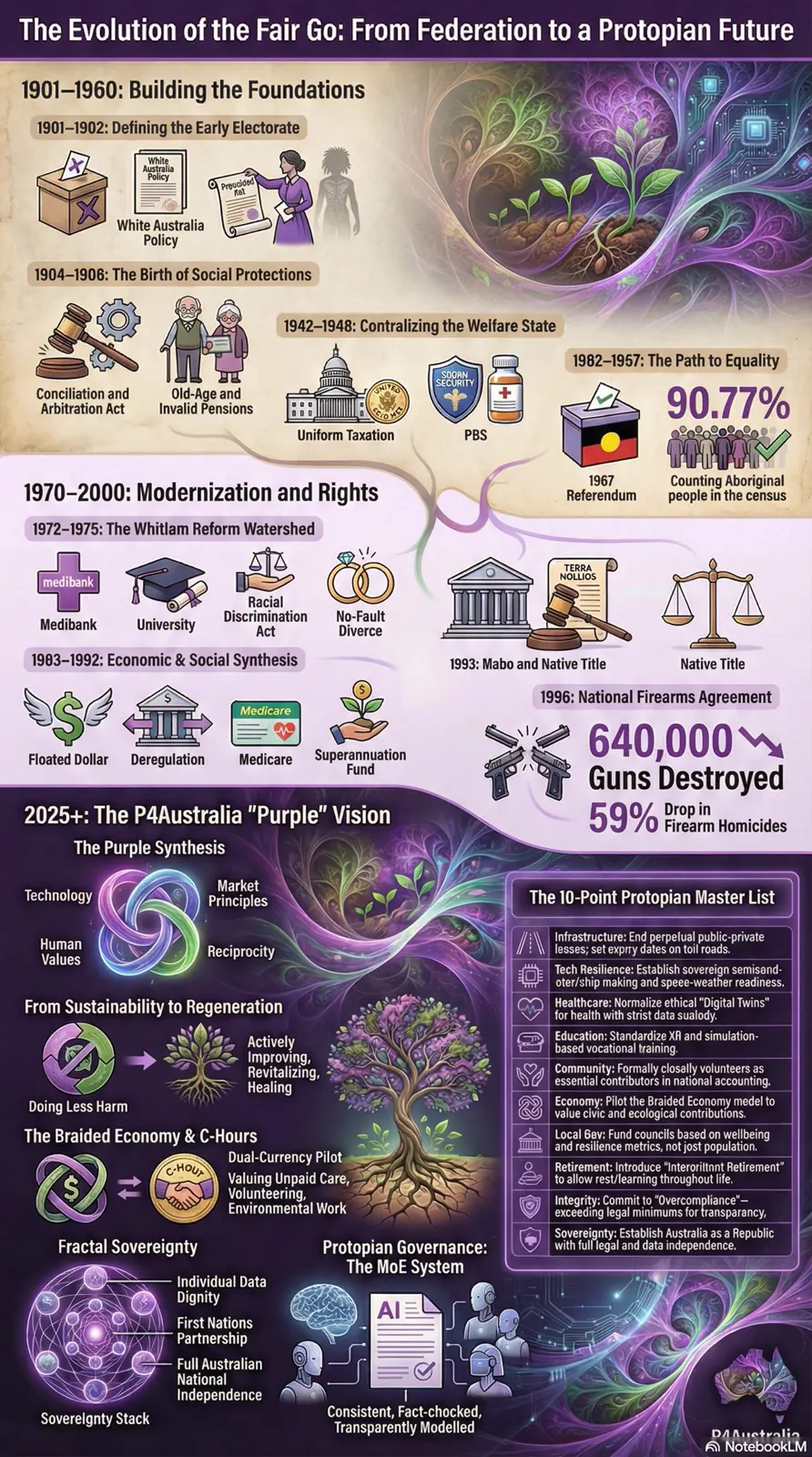
Evolution of the Fair Go infographic with protopian future elements

Aura / Care proposals

PTSD care and claims

A proposal to keep care and claims connected, especially for veterans and first responders. It gives each person an accountable human contact and a clear way to follow progress, correct evidence and challenge delays.

One contact from request to resolution

  1. Name the person responsible

    Give the claimant a human contact and a plan showing dates, responsibilities and a route for escalation.

  2. Keep care moving while a claim is assessed

    Qualified practitioners determine appropriate care. Administrative coordination should support access while the claim is resolved; it is not a promise of automatic compensation approval.

  3. Reuse evidence with permission

    Agree which records may move between offices. Let the person correct them, and require a clinician to review an assisted clinical summary before it is relied on. The proposal excludes automated adverse decisions.

  4. Make delays the agency's responsibility

    The proposal calls for response standards, recorded reasons for delay and independent escalation. The department carries the coordination burden.

A veteran or first responder would know who owns the claim, what evidence is needed and who to call when it stalls. Repeated requests for the same traumatic account are a failure to measure and address.

Support beyond the claim

Trauma-informed care also needs choice, continuity and an affordable route to qualified help. Peer and community support would need paid supervision; regional specialist access needs workforce and funding. Administrative reform cannot establish clinical effectiveness.

People need to reach a human, refuse automated handling and give feedback privately. Public advocacy can describe a system failure without exposing a person's trauma history.

Delivery and accountability

The proposed delivery would involve Commonwealth veterans' administration, with states and employers participating in relevant first-responder systems. Budgets would cover navigators, care access, secure records and workforce support.

Track time to first care, repeated evidence requests, unresolved claims, continuity, navigator availability and the person's control over the record. Examine waiting times and safe escalation alongside the experience of people who leave the pathway.

Twinkle 22 holds the gripe and original clip brief. The shared testing process is in clinical pathways.